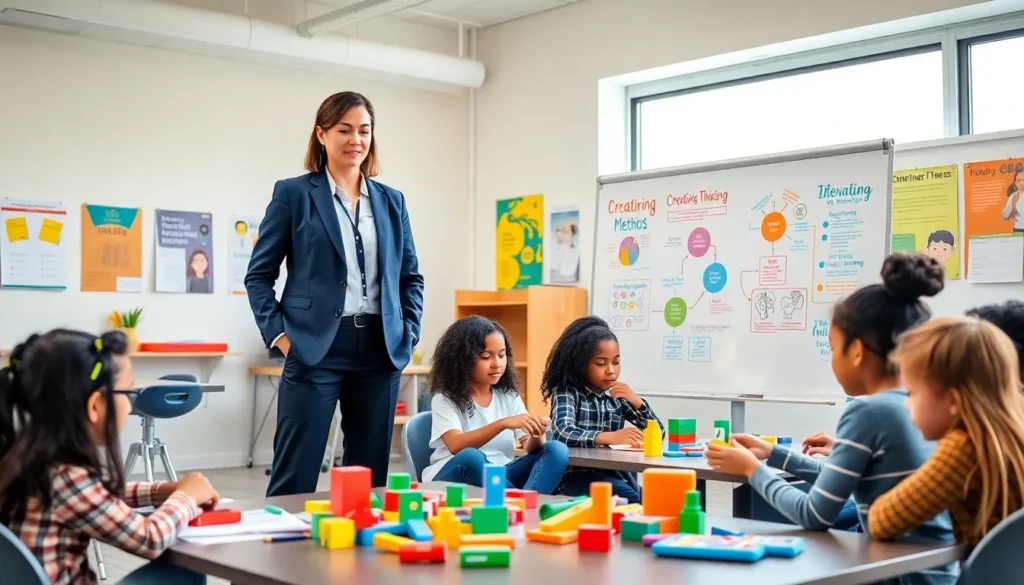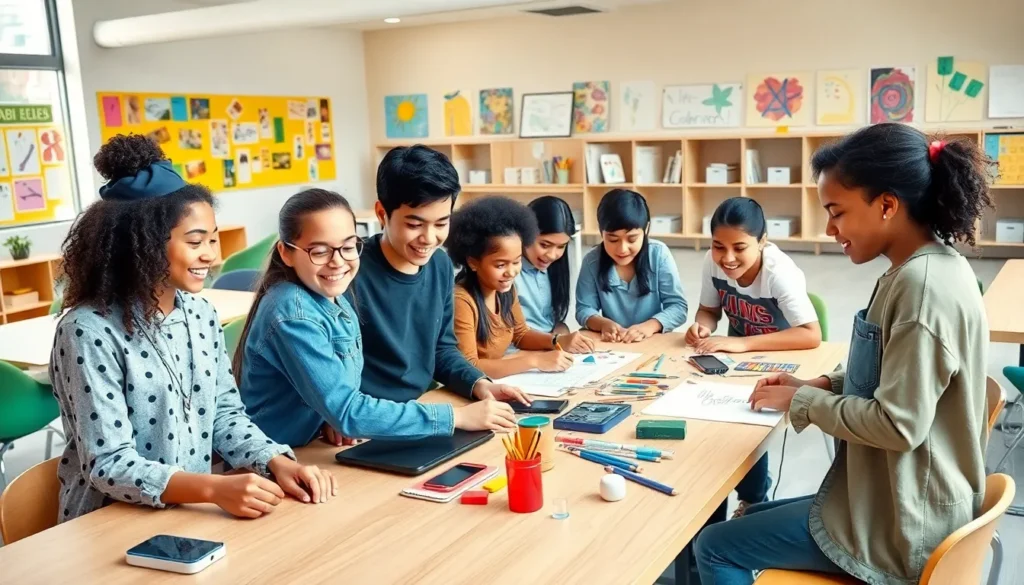
Imagine a classroom where creativity flows like coffee on Monday mornings, and students actually get excited about learning. Alternative education models aim to replace traditional teaching methods with exciting, personalized approaches that cater to a diverse range of learning styles. As discussions around education reform heat up, these unconventional methods are quickly gaining traction. But what exactly are alternative education models? And why should anyone care? Buckle up, because we’ve got a fascinating journey ahead into the world of alternative education.
Understanding Alternative Education
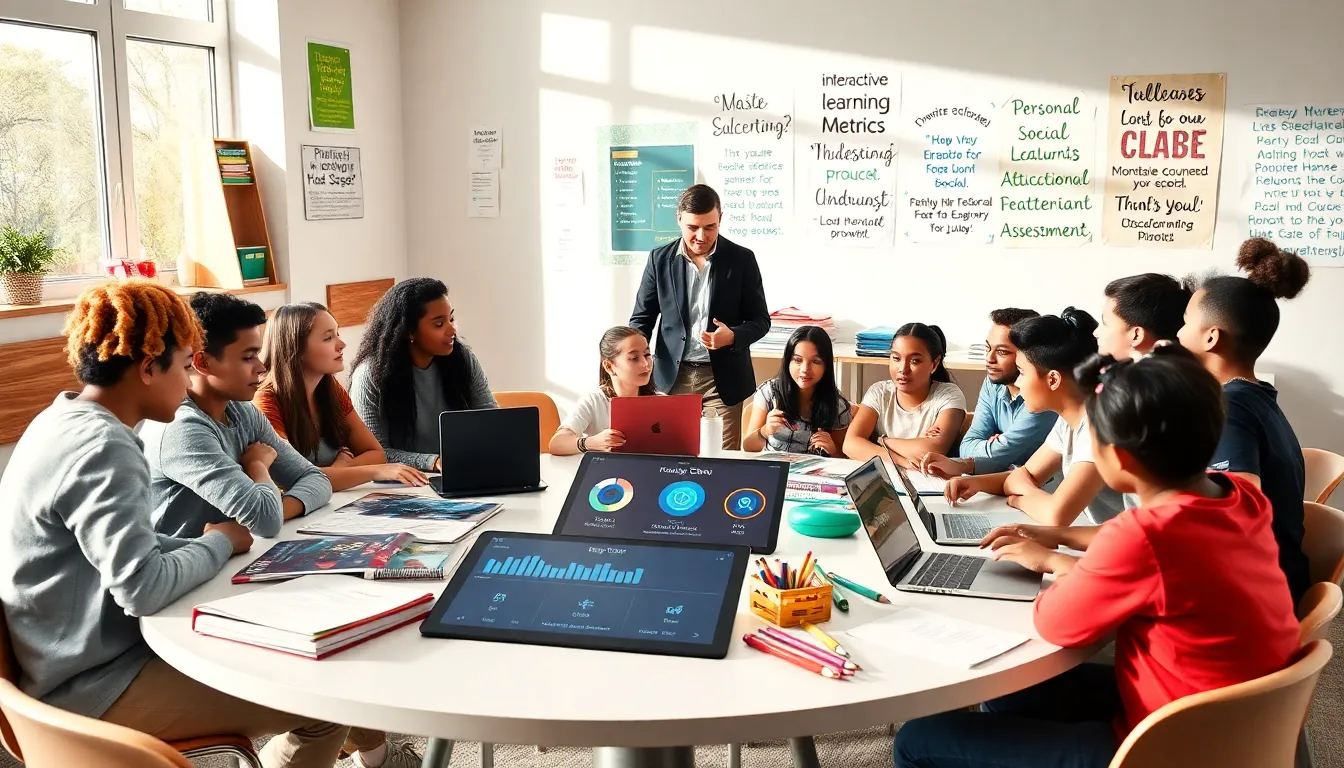
Alternative education operates outside the traditional K-12 framework, providing distinct methods and philosophies aimed at addressing various learning needs. This approach is not merely about different teaching styles: it’s about reimagining how education is delivered. In essence, it prioritizes the needs of the individual student over a one-size-fits-all model, focusing instead on personal growth and learning competency. This paradigm shift encourages educators and institutions to redefine success, steering clear of conventional metrics like standardized tests and grades. Instead, alternative education models often emphasize holistic development, including social and emotional skills.
Types of Alternative Education Models
Several alternative education models have emerged, each with a unique philosophy and methodology. Here are a few notable types:
Montessori Schools
Developed by Dr. Maria Montessori, these schools emphasize child-directed learning and collaborative play. Classrooms are designed to be engaging, allowing students the freedom to explore subjects that interest them while still covering the necessary curriculum.
Waldorf Schools
Founded by Rudolf Steiner, Waldorf education blends academics with artistic expression and practical activities. The curriculum is designed to develop critical thinking, creativity, and social skills, prioritizing a well-rounded education.
Unschooling
This radical approach favors self-directed learning. Students choose what they want to learn based on their interests, promoting intrinsic motivation. It’s not about abandoning structure: it’s about empowering students to take control of their own education.
Online Learning Platforms
With technological advancements, online and remote learning have found their place in alternative education. These platforms offer flexibility, enabling students to learn at their own pace without the constraints of a traditional classroom.
Project-Based Learning (PBL)
This model encourages students to work on projects that interest them, facilitating deeper understanding through real-world application. Learners collaborate, explore, and analyze, fostering critical thinking skills in a dynamic environment.
Benefits of Alternative Education
The allure of alternative education models goes far beyond just being different. Numerous advantages make them worth considering:
Personalized Learning
In alternative education settings, students receive instruction tailored to their individual needs and preferences. This personalized approach can lead to higher engagement and better learning outcomes.
Fostering Critical Skills
Alternative models often prioritize critical thinking, collaboration, and creativity. These soft skills are essential in today’s job market, helping students develop qualities that will serve them well beyond their academic years.
Better Student-Teacher Relationships
Educators in alternative education settings often have more time to connect with their students. This nurturing environment helps build trust and rapport, enhancing the overall learning experience.
Improved Mental Health
Traditional schooling can be stressful and high-pressure, sometimes leading to anxiety and burnout. By focusing on individual growth and well-being, alternative education models contribute to better mental health for students.
Challenges Faced by Alternative Education Models
While thrilling, alternative education is not without its hurdles. Some of the key challenges include:
Funding and Resources
Many alternative education programs struggle with inadequate funding. Without sufficient resources, schools may find it challenging to fully carry out their unique curricula.
Public Perception
Alternative education often encounters skepticism from parents and educators who are accustomed to traditional methods. Many are hesitant to embrace something that is perceived as nonconformist.
Standardization Issues
In a world focused on standardized testing, alternative education models sometimes find it difficult to prove their efficacy. Measurement of success is complex and requires a shift in how progress is evaluated.
Maintenance of Quality
Not all alternative education models are created equal. Ensuring high-quality education across the board can be a concern, leading to varying levels of success among different programs.
Case Studies: Successful Alternative Education Programs
Exploring successful alternative education programs can provide valuable insights. Here are two notable case studies:
The Kanahooka School in Australia
This school integrates outdoor learning and community involvement into its curriculum. Students participate in environmental projects, cultivating not only academic knowledge but also social responsibility. The integration of practical experiences helps to foster a love of learning among students.
The Summit Public Schools in the U.S.
This network of charter schools employs a blended learning model combining online coursework with in-person mentoring. This approach has received praise for its results, students show significant academic improvements while benefiting from strong teacher-student relationships. This model strikes an excellent balance of technology and personal interaction.
The Future of Alternative Education
The next few years could see significant growth in alternative education models. As parents become more interested in tailoring their children’s educational experiences, alternative approaches will likely gain even more attention.
Technology Integration
Advancements in technology provide exciting opportunities for further development. Virtual and augmented reality can enhance classroom experiences, making learning more interactive and enjoyable.
Bolder Initiatives in Policy
Policies that offer more funding and support for innovative educational practices may pave the way for broader acceptance of alternative education models. As communities prioritize education’s role in shaping future generations, they may be more inclined to explore these methods.
Global Influence
The global conversation around education is shifting towards diversity and customization. This trend could inspire more countries to adopt alternative models, following the success seen in others.