Ever wondered why traditional education doesn’t fit everyone like a well-tailored suit? Maybe some kids are more like the wild card in a poker game. Enter the alternative education center, a place where learning is unorthodox, yet effective. In a world where one size rarely fits all, these centers provide education that resonates with different learning styles and needs. Let’s jump into what makes these centers so special and why they might be the perfect option for students who don’t quite thrive in a conventional setting.
What Is an Alternative Education Center?
An alternative education center is designed to provide students with a non-traditional approach to learning. Unlike mainstream schools, which often follow a standardized curriculum, these centers focus on creating tailored educational experiences for students who may be struggling in traditional settings. Whether due to behavioral issues, learning disabilities, or simply differing educational philosophies, these centers aim to meet students where they are.
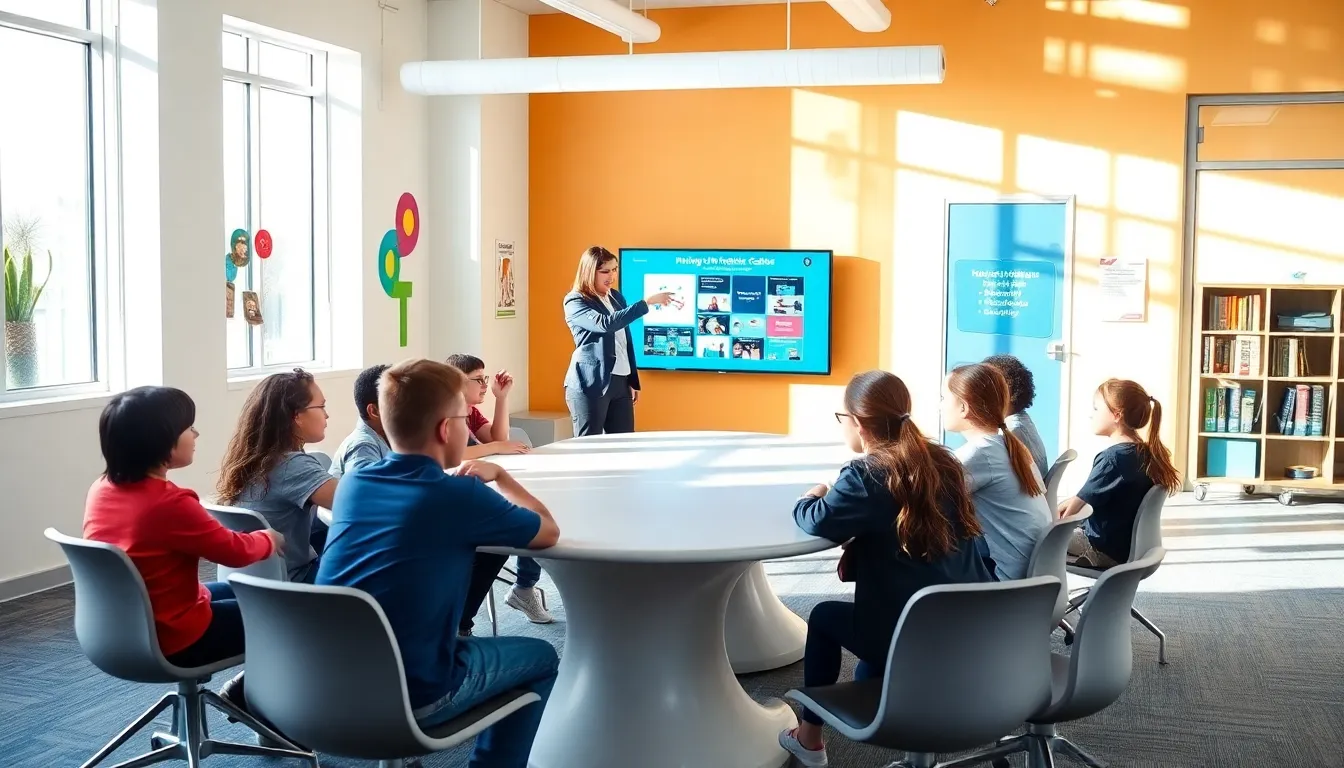
Essentially, think of an alternative education center as a unique ecosystem. Here, the rules of engagement change. Class sizes are often smaller, enabling a more personalized and engaging educational experience. Students are encouraged to explore their interests while still being guided by a structured curriculum tailored to their needs.
The Importance of Alternative Education
Alternative education plays a significant role in diversifying the educational landscape. Traditional schools may not cater to every student’s needs, making alternative centers essential. They offer an inclusive environment that champions different learning styles, inviting students to explore subjects in a way that resonates with them.
Also, they serve as a lifeline for students who might otherwise fall through the cracks. This school model emphasizes mental health and emotional well-being, allowing students to progress at their own pace. It’s not just about academics: it’s about nurturing the whole individual. In today’s society, where mental health is paramount, alternative education centers provide that necessary balance.
Types of Alternative Education Centers
There are various types of alternative education centers, each catering to diverse needs. Here are a few prominent examples:
- Montessori Schools: These schools emphasize self-directed learning and hands-on activities, encouraging independence and critical thinking in students.
- Waldorf Schools: This approach integrates arts and academics, focusing on creative expression and holistic education.
- Charter Schools: Often funded by public money but operating independently from the traditional school district regulations, these schools have more flexibility in their teaching methods.
- Online Education Centers: In the digital age, online platforms have emerged, allowing students to learn at their own pace from the comfort of their home.
- Behavioral Schools: Designed specifically for students with behavioral challenges, these schools focus on behavioral modifications alongside academic instruction.
Program Structures and Curriculum
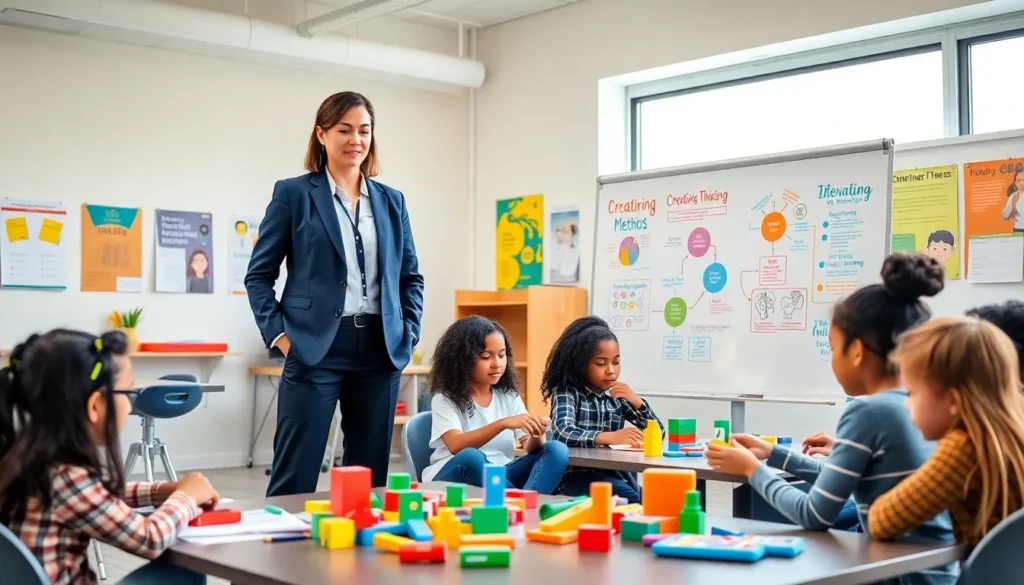
The program structures and curricula of alternative education centers can vary widely, but they typically share a commitment to personalized and flexible learning. Many programs incorporate project-based learning, experiential education, and interdisciplinary approaches, emphasizing real-world applications and critical thinking.
Classes might include community service projects, internships, and hands-on workshops that allow students to explore subjects in depth. For example, rather than just reading about biology, students might engage in field studies or lab experiments that provide direct experience.
Also, many alternative education centers offer individualized learning plans. These plans are crafted collaboratively between educators, students, and sometimes parents, ensuring that each learner’s unique needs and goals are met.
Benefits of Alternative Education Centers
Alternative education centers come with a host of benefits that cater to a range of student needs. First and foremost, they provide a personalized learning experience, which can significantly enhance a student’s engagement and motivation. Students often thrive in environments that respect their individuality and unique learning styles.
Besides, these centers tend to foster strong relationships between students and educators. Smaller class sizes mean that teachers can devote more time to each pupil, creating a supportive atmosphere that encourages academic and personal growth. In many cases, students at alternative education centers report higher levels of confidence and self-esteem compared to those in traditional settings.
Also, many alternative programs have a strong emphasis on life skills. They provide students with practical tools for handling real-world challenges, ranging from conflict resolution to critical thinking.
Challenges Faced by Alternative Education Centers
Even though their many advantages, alternative education centers also face challenges. Funding can be a significant hurdle, as many depend on public dollars while striving to maintain their unique programs. Limited financial resources may sometimes lead to a lack of necessary materials or qualified staff.
Also, misconceptions about alternative education can affect enrollment. Many people still hold a stigma towards non-traditional settings, viewing them as institutions for those who ‘can’t hack it’ in regular schools. Changing these perceptions requires ongoing advocacy and education about the effectiveness and value of alternative education.
Also, maintaining high academic standards can be tricky. As these centers often prioritize emotional and social development, there’s a risk that academic rigor might take a back seat. Striking the right balance is vital to ensure that students are both well-rounded individuals and academically prepared.