Table of Contents
ToggleAlternative education offers students a different path from traditional public or private schooling. These programs serve learners who need flexible schedules, specialized instruction, or learning environments that better match their individual needs. Parents, educators, and students increasingly explore alternative education as a viable option for academic success.
This guide explains what alternative education means, the common program types available, and who benefits most from these non-traditional approaches. Whether a student struggles in conventional classrooms or simply thrives with different teaching methods, alternative education provides meaningful options worth considering.
Key Takeaways
- Alternative education refers to programs operating outside conventional schools, including homeschooling, charter schools, Montessori, online schools, and vocational training.
- These programs benefit students who struggle in traditional settings, gifted learners, at-risk youth, and those needing flexible schedules.
- Alternative education offers personalized learning, smaller class sizes, and teaching methods tailored to individual learning styles.
- Common alternative education options include Montessori schools for hands-on learning, Waldorf schools for arts integration, and online schools for schedule flexibility.
- Parents should research specific programs to understand accreditation, teaching philosophies, and outcomes before enrolling their children.
Defining Alternative Education
Alternative education refers to educational programs and schools that operate outside the conventional public school system. These programs use different teaching methods, curricula, or learning environments than traditional schools. The term covers a broad range of options, from homeschooling to specialized academies.
The core idea behind alternative education is simple: not every student learns the same way. Traditional classrooms follow a standardized approach that works well for many students but falls short for others. Alternative education programs recognize this gap and create spaces where different learning styles can flourish.
Some alternative education programs focus on students at risk of dropping out. Others serve gifted learners who need more challenging material. Still others cater to students with specific interests, such as arts, technology, or vocational training. The common thread is a departure from one-size-fits-all schooling.
Government agencies, private organizations, and community groups all operate alternative education programs. Accreditation and oversight vary by state and program type. Parents should research specific programs to understand their credentials, teaching philosophies, and outcomes.
Common Types of Alternative Education Programs
Alternative education takes many forms. Here are the most common types families encounter:
Homeschooling
Homeschooling allows parents to educate their children at home. Families choose their own curricula and set their own schedules. Some parents follow structured programs while others take a more relaxed approach. Homeschooling gives families maximum control over what and how their children learn.
Charter Schools
Charter schools are publicly funded but operate independently from traditional school districts. They often focus on specific educational approaches or subject areas. Charter schools must meet state academic standards but have more freedom in how they achieve those goals.
Montessori Schools
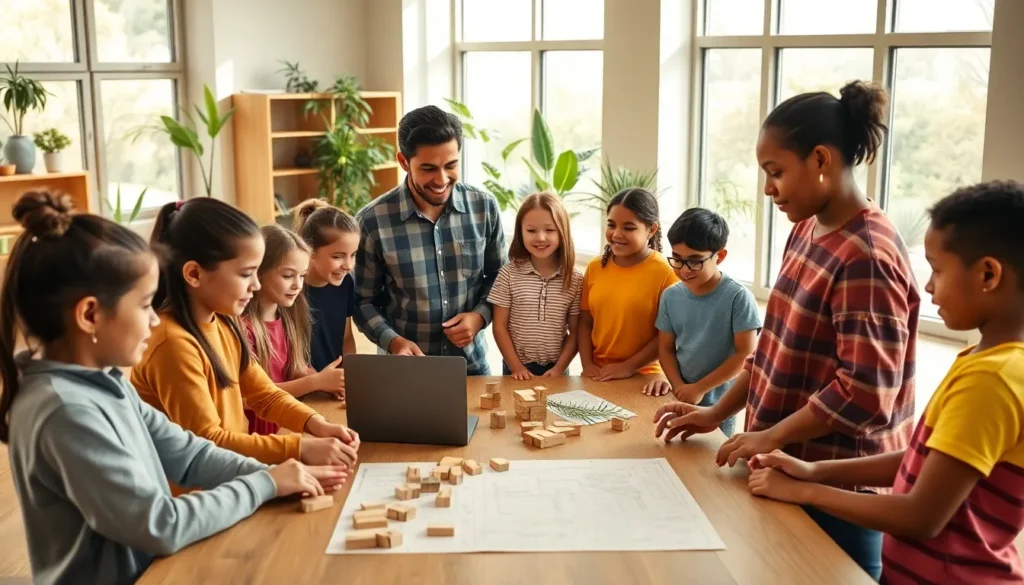
Montessori education emphasizes self-directed learning and hands-on activities. Students work at their own pace and choose many of their own activities. Teachers act as guides rather than lecturers. This alternative education model works particularly well for younger children.
Waldorf Schools
Waldorf education integrates arts into all subjects and limits technology use, especially for younger students. The curriculum follows developmental stages and emphasizes creativity, imagination, and practical skills alongside academics.
Online Schools
Online schools deliver instruction through the internet. Students complete coursework from home on flexible schedules. This alternative education option suits students who travel frequently, work, or have health conditions that make attending physical schools difficult.
Magnet Schools
Magnet schools are public schools with specialized curricula, often focusing on STEM, performing arts, or international studies. They draw students from across district boundaries based on interest and aptitude rather than geography.
Vocational and Trade Schools
These programs prepare students for specific careers through hands-on training. Students learn practical skills in fields like healthcare, construction, technology, or culinary arts while earning diplomas or certifications.
Benefits of Alternative Education
Alternative education offers several advantages over traditional schooling for certain students.
Personalized Learning
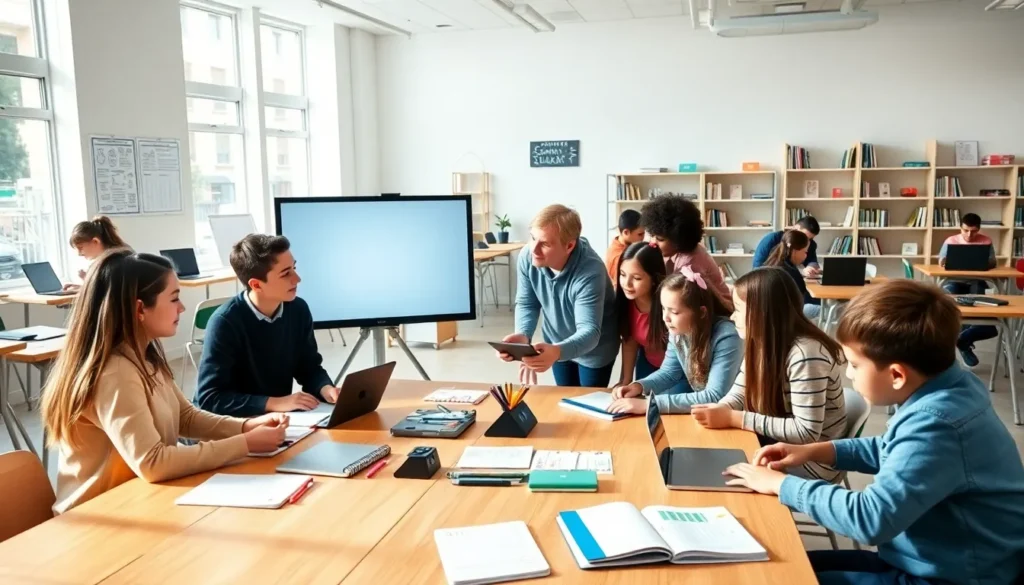
Most alternative education programs offer smaller class sizes or one-on-one instruction. This allows teachers to adjust lessons to individual student needs. Students who struggle with specific subjects get extra attention. Advanced students can move ahead without waiting for classmates.
Flexible Scheduling
Many alternative education options provide flexible schedules. Online schools let students learn at any hour. Homeschooling families can structure their days around other commitments. This flexibility helps student athletes, performers, and those with health challenges.
Different Teaching Methods
Alternative education programs often use teaching methods that differ from traditional lecture-based instruction. Project-based learning, experiential education, and discussion-centered classes engage students who tune out during conventional lessons.
Specialized Focus
Students with strong interests can find alternative education programs that concentrate on their passions. Arts schools, STEM academies, and vocational programs let students dive deep into subjects they love while meeting academic requirements.
Safer Environments
Some students leave traditional schools because of bullying, social anxiety, or safety concerns. Alternative education can provide smaller, more supportive communities where students feel comfortable learning.
Higher Engagement
When education matches how students learn best, engagement increases. Students in well-matched alternative education programs often show improved attendance, better grades, and more enthusiasm for learning.
Who Can Benefit From Alternative Education
Alternative education serves a diverse range of students. Understanding who benefits most helps families make informed decisions.
Students Who Struggle in Traditional Settings
Some students have learning differences that make conventional classrooms challenging. ADHD, dyslexia, and autism spectrum conditions often respond well to the individualized approaches common in alternative education.
Gifted and Advanced Learners
Gifted students sometimes feel bored or unchallenged in traditional schools. Alternative education programs can accelerate learning or provide depth that standard curricula lack.
Students with Schedule Conflicts
Young athletes, actors, musicians, and working teens need flexible schedules. Alternative education through online schools or homeschooling accommodates training, performances, and employment.
At-Risk Youth
Students at risk of dropping out often thrive in alternative education programs designed for their needs. These programs typically offer smaller classes, more support, and relevant coursework that reconnects students with education.
Students Seeking Career Preparation
Teens who know they want careers in trades or specific industries benefit from vocational alternative education. They graduate with marketable skills and certifications alongside their diplomas.
Families with Strong Educational Philosophies
Some families choose alternative education based on religious beliefs, educational philosophies, or lifestyle preferences. Homeschooling and private alternative schools give these families the freedom to educate according to their values.