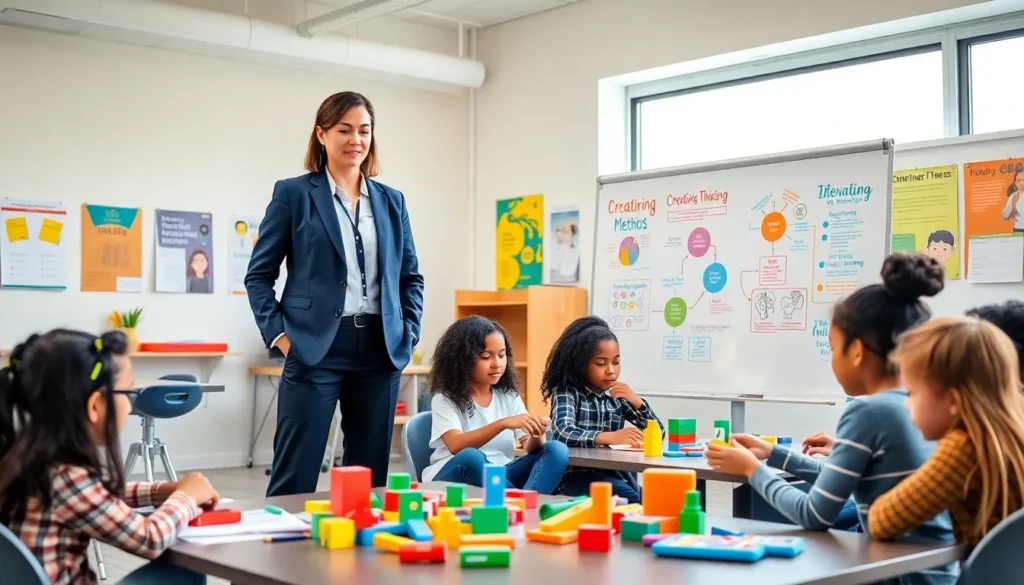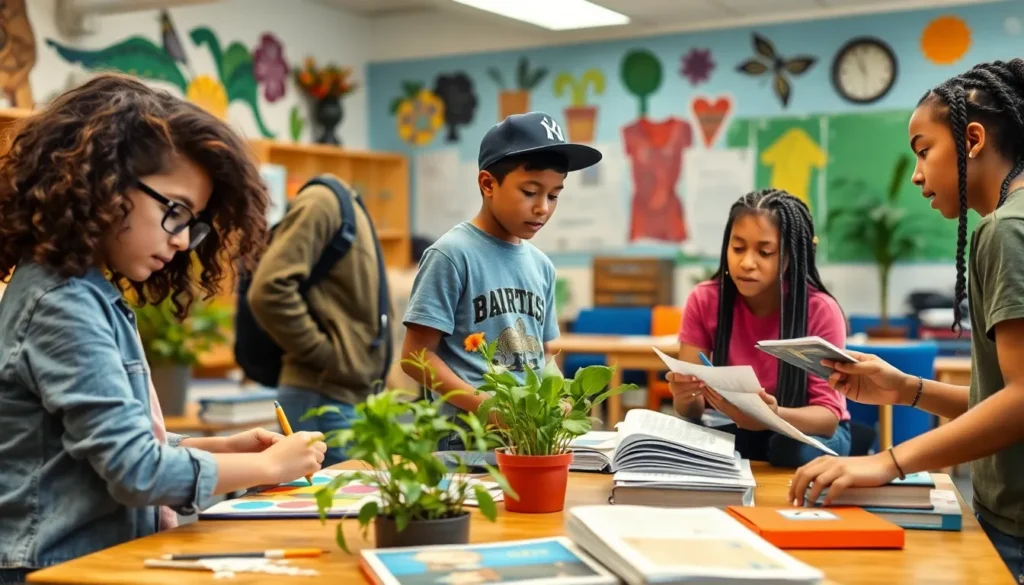
Imagine a school where the rules are a little looser, the creativity flows freely, and learning happens outside the traditional four walls. Welcome to the world of alternative schools, where students trade in their desks for dynamic experiences that cater to individual needs. These schools offer a refreshing break from the one-size-fits-all approach of conventional education, sparking curiosity and passion in students who might otherwise feel lost in the shuffle.
Alternative schools embrace diverse teaching methods, from project-based learning to experiential education, ensuring that every student has a chance to shine. Whether it’s through personalized curricula or unique environments, these institutions prioritize engagement and empowerment. So if you think school has to be boring, think again! Alternative schools might just be the secret recipe for unlocking a child’s true potential.
Definition Of Alternative School
An alternative school is an educational institution that diverges from the conventional teaching methods and structure found in traditional schools. Such schools often focus on personalized learning experiences that cater to the unique needs and strengths of each student. Many alternative schools offer smaller class sizes, allowing for more individualized attention from teachers.
Alternative schools implement diverse teaching strategies, including project-based learning and experiential education. These approaches enable students to engage more deeply with the material, promoting active participation and critical thinking. Additionally, alternative schools may emphasize social and emotional development, helping students build essential life skills alongside academic knowledge.
Flexibility characterizes the curriculum in alternative schools. Instead of adhering strictly to state-mandated standards, these institutions often create tailored programs that resonate with students’ interests and aptitudes. A collaborative environment encourages students to express themselves while fostering a sense of community.
Many alternative schools also incorporate non-traditional assessment methods. Rather than relying solely on standardized testing, assessments can include portfolios, presentations, and peer reviews. Such methods provide a more comprehensive view of a student’s abilities and progress.
Ultimately, alternative schools aim to cultivate a love for learning and nurture students’ potential in ways that traditional settings may not achieve. By offering innovative approaches and supportive environments, these schools play a vital role in the educational landscape.
Types Of Alternative Schools
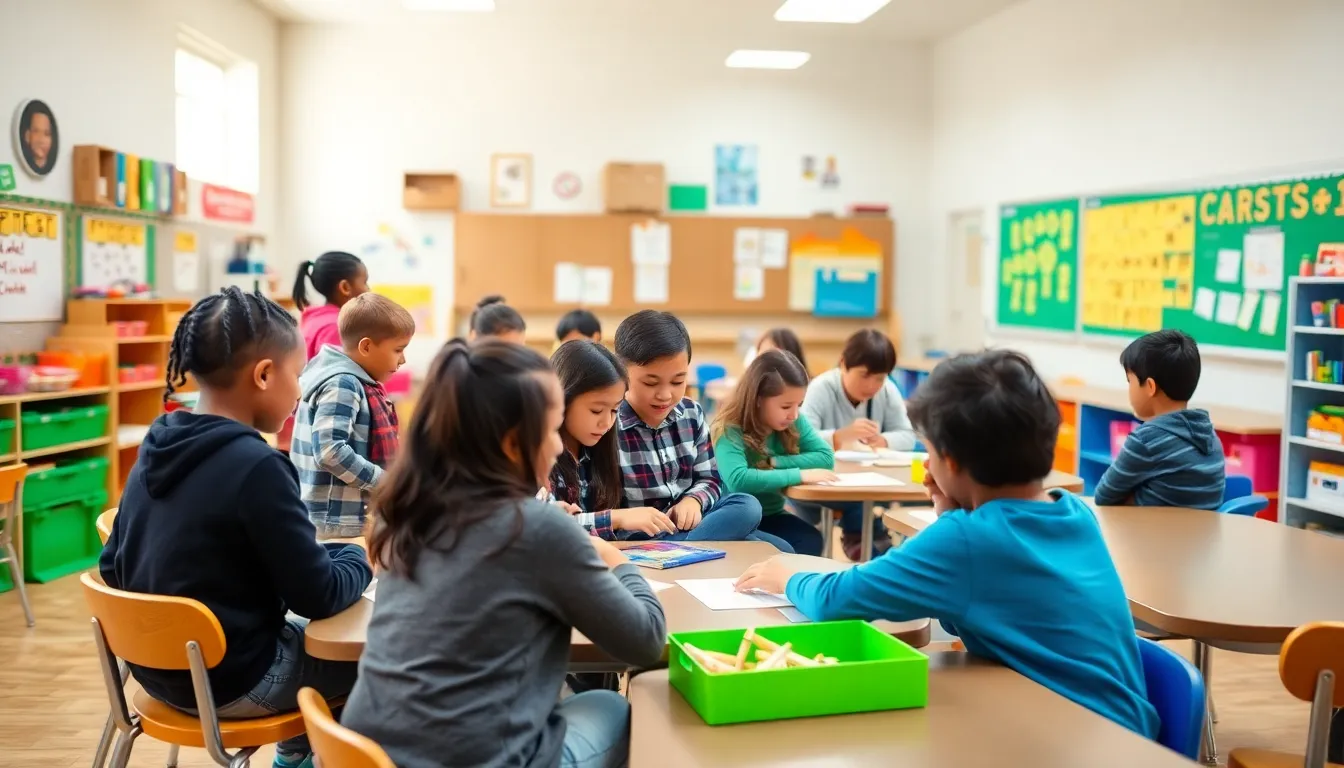
Alternative schools encompass various types tailored to specific student needs and educational goals. Each type offers unique approaches to learning.
Public Alternative Schools
Public alternative schools provide education through public funding. They may target at-risk students or those needing a non-traditional learning environment. Programs in these schools often focus on social and emotional learning. Curriculum adjustments accommodate different learning styles, utilizing project-based learning and real-world applications. Many public alternative schools also maintain smaller class sizes to foster strong teacher-student relationships.
Private Alternative Schools
Private alternative schools operate independently of government funding. These institutions often emphasize holistic education, integrating academic subjects with life skills and the arts. Tuition is a common requirement for enrollment. Many private alternative schools cultivate a unique community atmosphere, encouraging family involvement and collaboration. They frequently adapt their curricula to reflect their educational philosophies, offering innovative teaching methods like Montessori or Waldorf.
Charter Schools
Charter schools function with more autonomy than traditional public schools. They follow a charter, which outlines specific educational goals and methods. These schools often incorporate experiential learning and community projects, enabling students to apply knowledge beyond the classroom. Importantly, charter schools receive public funding yet operate independently, flexibly adapting their approaches to meet student needs. Enrollment is typically open to all students, often through a lottery system, ensuring diverse representation.
Benefits Of Alternative Schools
Alternative schools provide distinct advantages that benefit students in unique ways. These institutions emphasize personalized learning, catering to individual strengths, interests, and learning styles.
Personalized Learning
Personalized learning in alternative schools fosters an environment where each student’s needs are prioritized. Tailored curricula respond to diverse learning paces, allowing students to progress as they master concepts. Instructional methods often include hands-on projects and real-world applications, keeping students engaged. Teachers frequently adapt lessons based on student feedback, ensuring relevance and maximizing their educational experience. By addressing emotional and social needs alongside academic goals, students develop confidence and motivation, better preparing them for future challenges.
Smaller Class Sizes
Smaller class sizes play a crucial role in alternative education settings. These reduced student-to-teacher ratios facilitate individualized attention, enhancing the learning experience. With fewer students, educators can establish stronger relationships with each learner, leading to increased trust and open communication. Students benefit from more opportunities to participate in discussions, ask questions, and receive immediate feedback. This focused attention helps to mitigate behavioral issues and fosters a supportive community where every student feels valued. As a result, smaller class sizes contribute significantly to the overall success and development of students in alternative schools.
Challenges Faced By Alternative Schools
Alternative schools encounter various challenges that can impact their effectiveness and sustainability. Understanding these hurdles is crucial for assessing their role in the educational system.
Funding Issues
Funding issues frequently plague alternative schools, limiting resources for programs and support services. Public alternative schools rely on state and federal funding, which can fluctuate due to budget constraints. Private alternative schools, while independently funded, often require tuition, making them less accessible to low-income families. Inadequate financial support hampers technology integration and materials necessary for innovative teaching methods. Resources for professional development may also fall short, restricting faculty training and collaboration opportunities. All these factors combine to create an unstable financial environment that threatens the availability and quality of alternative education.
Misconceptions And Stigmas
Misconceptions and stigmas hinder public perception of alternative schools, affecting enrollment and acceptance. Many people equate alternative education with failure or a lack of rigor, undermining its value. Images of troubled students attending these schools reinforce negative stereotypes, despite evidence showing success among diverse learners. Parents may hesitate to enroll their children due to these misconceptions, fearing their children may not receive adequate education. Additionally, stigma within traditional education systems can marginalize alternative students, impacting their social experiences and opportunities. Challenging these unfounded beliefs is essential for fostering support and understanding for alternative schools and their students.
Alternative schools represent a vital component of the educational landscape by offering personalized learning experiences that cater to diverse student needs. They foster an environment where creativity and critical thinking thrive, encouraging students to engage deeply with their education.
Despite facing challenges like funding and misconceptions, the unique approaches of alternative schools can unlock a child’s potential in ways traditional settings may not. By focusing on individualized attention and flexible curricula, these schools empower students to explore their interests and develop essential life skills. As awareness grows about the benefits of alternative education, it’s crucial to support these institutions and recognize their role in shaping future generations.