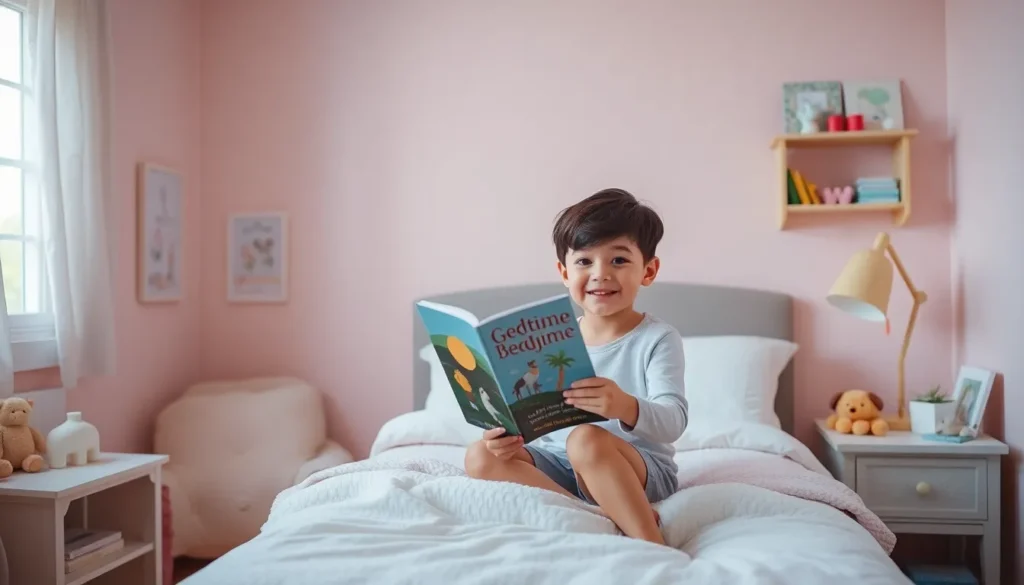
Getting kids to sleep can feel like trying to herd cats on a sugar high. Parents know the struggle all too well—bedtime battles that rival epic movie showdowns. But fear not! With the right sleep tips, transforming those nightly skirmishes into peaceful slumbers is possible.
Imagine a world where children drift off to dreamland without the usual theatrics. It’s not just a dream; it’s achievable with a few simple strategies. From creating a cozy bedtime routine to turning off those pesky screens, effective sleep tips can make all the difference. Let’s dive into the world of restful nights and happy mornings, where sleep becomes a family affair instead of a nightly wrestling match.
Understanding Sleep Needs For Kids
Understanding sleep needs is essential for parents aiming to improve their children’s sleep quality. Different age groups require varying amounts of sleep to support their growth and development.
Age-Specific Sleep Requirements
Newborns typically need 14 to 17 hours of sleep, while toddlers require about 11 to 14 hours each day. Preschoolers usually thrive on 10 to 13 hours of sleep, which helps them stay energized. School-aged children benefit from 9 to 11 hours as they grow and learn. Teenagers need around 8 to 10 hours to support their physical and mental health. Establishing consistent bedtime routines for each age group enhances sleep quality and reinforces healthy habits.
Importance of Sleep for Development
Sleep plays a crucial role in a child’s physical development, emotional regulation, and cognitive abilities. During deep sleep, the body releases growth hormones that support muscle growth and overall health. Mental processes, such as memory consolidation and learning, significantly improve with adequate sleep. Emotional well-being also thrives, with well-rested children displaying better moods and reducing behavioral issues. Prioritizing sleep helps ensure children reach their full potential in these critical developmental stages.
Creating a Sleep-Friendly Environment

Creating a sleep-friendly environment sets the foundation for restful nights. Parents can enhance their child’s sleep quality through thoughtful room arrangements and minimizing disturbances.
Ideal Bedroom Setup
A calming color palette promotes relaxation. Soft hues such as light blue or pastel green help create a serene atmosphere. Comfortable bedding invites coziness, so using breathable materials and supportive pillows enhances comfort. Room temperature deeply affects sleep; maintaining a cool environment between 68°F and 72°F supports restful slumber. A consistent sleep schedule also plays a crucial role, so encourage bedtime routines that signal to kids when it’s time to wind down.
Reducing Noise and Light Distractions
Noise often disrupts sleep, so soft sounds or white noise machines can mask unwanted disturbances. Blackout curtains offer an effective solution for blocking outside light, ensuring a dark space conducive to sleep. Dim lights during the bedtime routine help signal that sleep time approaches. Additionally, removing electronic devices from the bedroom limits exposure to distracting screens. Establishing these practices creates an uninterrupted sleeping environment, allowing children to fall asleep more easily.
Establishing a Bedtime Routine
A well-defined bedtime routine significantly influences children’s sleep quality. Creating an environment where they feel relaxed and secure fosters better sleep.
Consistency is Key
Maintaining a consistent bedtime each night reinforces a child’s internal clock. Children thrive on predictability, so going to bed and waking up at the same time daily helps regulate their sleep patterns. Over time, consistency leads to improved sleep habits, making it easier for kids to fall asleep. Parents benefit from this routine as well, experiencing fewer struggles during bedtime. Keeping a regular schedule sets the stage for successful sleep.
Activities to Include in the Routine
Including calming activities during the bedtime routine enhances relaxation. Reading a book creates a quiet moment and encourages a love for stories. Soft music or lullabies can promote tranquility, making it easier for kids to unwind. Engaging in gentle stretching or deep breathing exercises also prepares the body for rest. Families might find it helpful to dim the lights, signaling that bedtime is near. Establishing these calming rituals not only aids in falling asleep but also creates meaningful family time.
Nutritional Factors Affecting Sleep
Nutrition plays a crucial role in children’s sleep quality. Certain foods can enhance sleep, while others may disrupt it.
Foods That Promote Better Sleep
Complex carbohydrates improve serotonin levels, which help regulate sleep. Oatmeal, whole-grain bread, and brown rice are excellent choices. Foods rich in magnesium, such as spinach, nuts, and seeds, support relaxation. Drinking warm milk often aids in calming nerves, facilitating the transition to sleep. Incorporating bananas, which contain potassium and vitamin B6, can also help produce melatonin, promoting restful nights.
Foods to Avoid Before Bedtime
Sugary snacks can spike energy levels, negatively impacting the ability to fall asleep. Fried foods may lead to discomfort, hindering sleep initiation. Caffeine-containing items, such as chocolate or soda, stimulate the nervous system and should be avoided in the evening. Spicy foods can cause indigestion, keeping children awake. Heavy meals late at night may contribute to restless sleep, making lighter options preferable before bedtime.
Addressing Common Sleep Issues
Parents often encounter various sleep issues that disrupt their children’s rest. Recognizing and addressing these challenges can significantly enhance sleep quality.
Nightmares and Night Terrors
Nightmares usually occur during REM sleep and can cause children to wake up feeling scared or anxious. Common among preschoolers and school-aged children, nightmares typically arise from stress or changes in routine. Night terrors, however, manifest during deep sleep, leading to intense fear and confusion. Children experiencing night terrors may scream or thrash around while remaining asleep. To help mitigate these occurrences, establishing a calm bedtime routine can provide reassurance. Reducing stressors during the day and avoiding scary content before bed also proves beneficial.
Sleep Disorders in Children
Various sleep disorders can affect children’s sleep quality. Conditions like insomnia, sleep apnea, and restless leg syndrome are notable examples. Insomnia in children often stems from anxiety or changes in environment, while sleep apnea interrupts breathing during sleep, leading to poor rest. Restless leg syndrome manifests as uncomfortable sensations in the legs, making it difficult to relax. Detecting these disorders requires parents to observe their children’s sleep patterns and behaviors. Consulting a pediatrician for evaluation and potential treatment options becomes essential when concerns arise.
Creating a peaceful bedtime experience for children is essential for their overall well-being. By implementing effective sleep strategies and understanding individual sleep needs, parents can foster healthier sleep habits. A consistent bedtime routine combined with a sleep-friendly environment can significantly enhance sleep quality.
Incorporating calming activities and mindful nutrition choices further supports restful nights. Addressing common sleep issues and consulting with a pediatrician when necessary can also lead to improved sleep health. With these approaches, families can look forward to more restful nights and happier mornings, paving the way for children to thrive.