Table of Contents
ToggleAlternative education examples are gaining attention as more families seek options outside conventional classrooms. Traditional schooling works well for many students, but it doesn’t fit everyone. Some children thrive with hands-on learning. Others need flexible schedules or self-directed study. The good news? Parents and educators now have more choices than ever.
This guide covers seven alternative education approaches that offer different paths to academic success. From Montessori methods to virtual schools, each option brings unique benefits. Understanding these alternatives helps families make informed decisions about their children’s learning.
Key Takeaways
- Alternative education examples include Montessori, Waldorf, homeschooling, unschooling, project-based learning, and online schools—each offering unique benefits for different learning styles.
- Montessori education emphasizes child-led learning and independence, while Waldorf schools focus on creativity, imagination, and holistic development.
- Homeschooling is one of the fastest-growing alternative education examples in the U.S., with approximately 3.3 million students learning outside traditional classrooms.
- Project-based learning programs help students develop real-world skills like collaboration, problem-solving, and communication through hands-on projects.
- When choosing an alternative education path, consider your child’s learning style, social needs, family capacity, and practical factors like cost and location.
- Online and virtual schools offer flexibility for students who need non-traditional schedules, including young athletes, performers, and those in rural areas.
Montessori Education
Montessori education ranks among the most recognized alternative education examples worldwide. Dr. Maria Montessori developed this approach in the early 1900s, and it remains popular today.
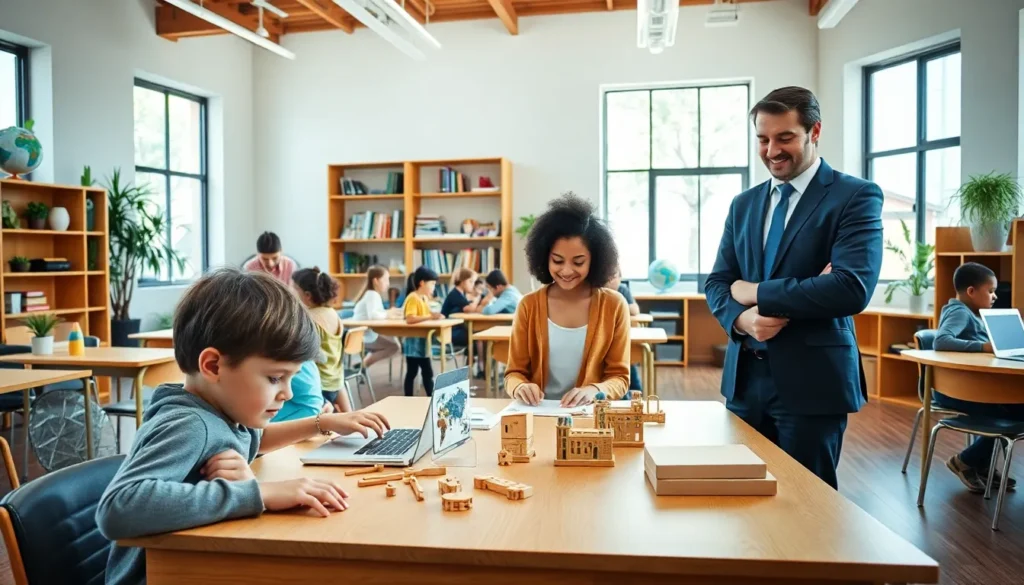
Montessori classrooms look different from traditional ones. Students of mixed ages work together in the same space. Children choose their activities from a prepared environment filled with specialized learning materials. Teachers act as guides rather than lecturers.
The core philosophy centers on child-led learning. Kids move at their own pace and follow their interests. A five-year-old might spend an hour with math materials while a classmate explores geography. This freedom builds independence and intrinsic motivation.
Montessori schools exist for all age groups, from toddler programs through high school. Many public school districts now offer Montessori options, making this alternative education example accessible to more families.
Waldorf Schools
Waldorf education offers another distinct alternative education example with roots dating back to 1919. Rudolf Steiner founded the first Waldorf school in Stuttgart, Germany. Today, over 1,000 Waldorf schools operate across 60 countries.
This approach emphasizes creativity, imagination, and holistic development. Young children learn through play, stories, and artistic activities. Academic subjects like reading and math are introduced later than in traditional schools, typically around age seven.
Waldorf classrooms feature natural materials, handmade toys, and limited technology. Students engage in practical skills like knitting, woodworking, and gardening alongside academic subjects. The same teacher often stays with a class for multiple years, building strong relationships.
Critics sometimes question the delayed academics, but supporters point to research showing Waldorf students catch up quickly and often excel in creative thinking. This alternative education example appeals to families who value artistic expression and a slower-paced childhood.
Homeschooling and Unschooling
Homeschooling represents one of the fastest-growing alternative education examples in the United States. The National Center for Education Statistics reports that approximately 3.3 million students were homeschooled in recent years. That number jumped significantly during and after the pandemic.
Homeschooling families take various approaches. Some follow structured curricula that mirror traditional schools. Others create custom programs mixing textbooks, online courses, and real-world experiences. Parents serve as primary educators, though many hire tutors or join co-ops for specific subjects.
Unschooling takes homeschooling further by removing formal curricula entirely. This alternative education example trusts children to direct their own learning based on natural curiosity. An unschooled teen interested in video games might learn programming, art design, music composition, and business, all through pursuing that passion.
Both approaches offer flexibility that traditional schools can’t match. Families can travel, accommodate different learning styles, and address special needs directly. But, they require significant parent involvement and careful planning to meet educational requirements.
Project-Based Learning Programs
Project-based learning (PBL) flips the script on traditional education. Instead of learning facts first and applying them later, students tackle real-world projects that require new knowledge and skills.
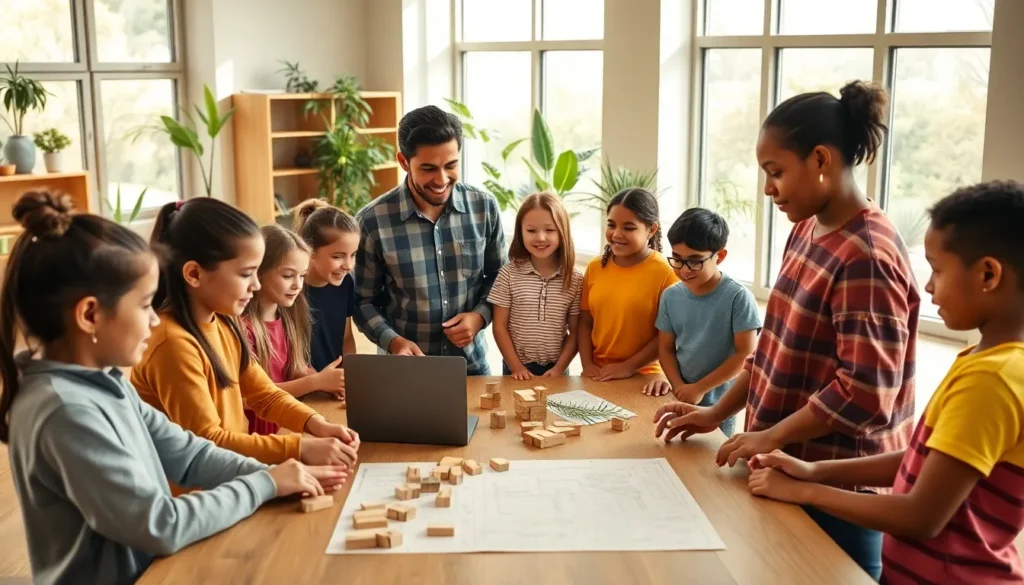
This alternative education example appears in dedicated PBL schools like High Tech High in San Diego and Big Picture Learning schools across the country. Students might design a community garden, create a documentary about local history, or build functional prototypes for new products.
PBL develops practical abilities that employers value. Students learn collaboration, problem-solving, communication, and time management through authentic work. They also retain information better because it connects to meaningful projects.
Some traditional schools incorporate project-based learning as part of their curriculum. But full PBL programs make projects the central learning method rather than occasional additions. This alternative education example works particularly well for students who ask “why does this matter?” in conventional classrooms.
Online and Virtual Schools
Online schools have transformed from a niche option into a mainstream alternative education example. Full-time virtual schools now serve millions of students across the country. Many states offer tuition-free online public school options.
Virtual learning comes in several formats. Some programs replicate traditional school schedules with live video classes and set attendance times. Others provide asynchronous coursework that students complete on their own schedules. Many combine both approaches.
This alternative education example benefits students who need flexibility. Young athletes, performers, and those with health challenges can maintain rigorous academics while pursuing other commitments. Students in rural areas gain access to advanced courses their local schools can’t offer.
Success in online school requires self-discipline and motivation. Students must manage their time effectively without in-person supervision. Parents often play a larger support role, especially for younger children. The best virtual programs provide regular check-ins with teachers and opportunities for social interaction through clubs and meetups.
How to Choose the Right Alternative Education Path
Selecting from these alternative education examples requires honest assessment of your child and family situation. Consider these factors:
Learning style matters. Hands-on learners often thrive in Montessori or project-based settings. Creative, imaginative children may flourish in Waldorf environments. Self-motivated students can excel in online programs.
Evaluate your family’s capacity. Homeschooling and unschooling demand significant parent time and energy. Virtual schools need adult oversight, especially for younger students. Traditional alternative schools like Montessori and Waldorf require less daily parent involvement.
Think about social needs. Some children need peer interaction throughout the day. Others do fine with fewer social hours. Most alternative education examples offer opportunities for connection, but the amount varies.
Consider practical factors. Location, cost, and scheduling all play roles. Private Montessori and Waldorf schools can be expensive. Public alternatives and homeschooling offer budget-friendly paths.
Visit and research thoroughly. Talk to families using each approach. Many schools welcome observers. Online communities for homeschoolers and unschoolers share detailed experiences.