Table of Contents
ToggleFinding the best alternative education option can transform how a child learns and grows. Traditional classrooms don’t work for everyone. Some students thrive with hands-on projects. Others need flexible schedules or self-directed exploration. Alternative education gives families choices beyond conventional schooling.
Today, more parents are exploring these options than ever before. According to recent data, homeschooling alone saw a 30% increase during the early 2020s. Montessori and Waldorf schools continue to expand globally. Online academies now serve millions of students worldwide. This shift reflects a simple truth: one-size-fits-all education often fits no one particularly well.
This guide covers the top alternative education models available today. It explains what makes each approach unique, who benefits most, and how families can choose the right path.
Key Takeaways
- The best alternative education options—including Montessori, Waldorf, and homeschooling—prioritize student choice, creativity, and personalized learning over rigid curricula.
- Montessori education builds independence through self-directed, hands-on activities, while Waldorf emphasizes imagination and integrates arts into every subject.
- Homeschooling and unschooling give families complete control, making them ideal for traveling families, athletes, or children who thrive outside traditional classrooms.
- Choosing the best alternative education path requires observing your child’s learning style, considering costs, and visiting programs in person before committing.
- Alternative education can reduce school-related stress and boost intrinsic motivation, though families should plan for socialization and college preparation needs.
- Quality varies widely across programs, so thorough research and asking specific questions during school visits are essential before enrolling.
What Is Alternative Education?
Alternative education refers to any teaching approach that differs from standard public or private schooling. These methods often challenge traditional assumptions about how students learn best.
Most conventional schools follow a fixed curriculum, group students by age, and use standardized testing to measure progress. Alternative education programs question these practices. They may allow students to learn at their own pace, focus on practical skills, or eliminate grades entirely.
The best alternative education options share some common traits. They typically emphasize student choice, creativity, and critical thinking. Many programs use smaller class sizes or one-on-one instruction. Teachers often act as guides rather than lecturers.
Alternative education isn’t new. Maria Montessori developed her method over 100 years ago. Rudolf Steiner founded the first Waldorf school in 1919. Homeschooling has existed for centuries. What’s changed is accessibility. Families today have more alternative education choices than any previous generation.
These programs serve diverse needs. Gifted students may need faster-paced instruction. Children with learning differences might benefit from specialized teaching methods. Some families want education aligned with specific values or philosophies. Others simply want their children to love learning again.
Top Alternative Education Models to Consider
Several alternative education models have proven effective over decades of use. Each takes a distinct approach to teaching and learning.
Montessori Education
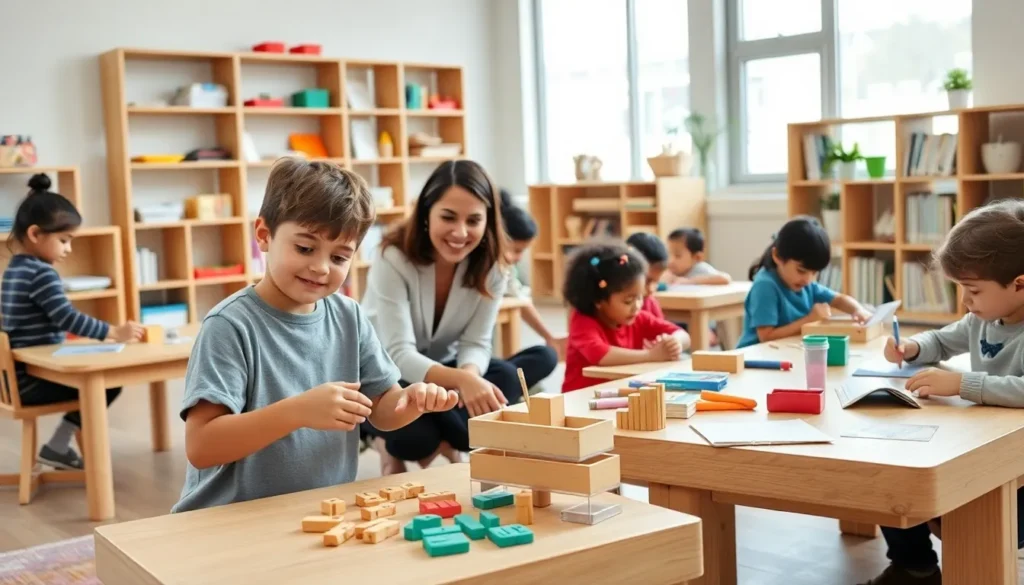
Montessori education centers on self-directed activity and hands-on learning. Students work with specially designed materials at their own pace. Classrooms typically include mixed age groups spanning three years.
In a Montessori classroom, children choose their activities from options the teacher prepares. A five-year-old might spend an hour working with math beads while a classmate practices writing letters. This freedom builds independence and internal motivation.
Montessori programs exist from infancy through high school. Research shows Montessori students often demonstrate strong executive function skills and intrinsic motivation. Many tech leaders, including the founders of Google and Amazon, attended Montessori schools as children.
Waldorf Education
Waldorf education emphasizes imagination, creativity, and holistic development. The curriculum integrates arts into every subject. Students might learn multiplication through rhythmic movement or history through dramatic reenactment.
Waldorf schools typically delay academic instruction. Formal reading lessons often begin around age seven. Instead, early childhood programs focus on play, storytelling, and practical activities like cooking and gardening.
This approach aims to develop the whole child, head, heart, and hands. Critics sometimes question the delayed academics, but supporters point to strong long-term outcomes. Waldorf graduates show high rates of college completion and career satisfaction.
Homeschooling and Unschooling
Homeschooling gives families complete control over their children’s education. Parents can follow structured curricula, create custom programs, or combine multiple approaches.
The best alternative education for some families is unschooling, a subset of homeschooling with no formal curriculum at all. Unschooled children learn through life experiences, following their interests wherever they lead. A child fascinated by dinosaurs might study paleontology, geology, and biology through that single passion.
Homeschooling works well for traveling families, competitive athletes, and children with health concerns. It also suits students who learn better outside institutional settings. Modern homeschoolers can access online courses, co-ops, and hybrid programs that combine home instruction with classroom experiences.
How to Choose the Right Alternative Education Path
Selecting the best alternative education option requires honest assessment of a child’s needs, family circumstances, and available resources.
Start by observing the child. Does she learn better through movement or quiet reading? Does he thrive with structure or rebel against it? Some children need lots of social interaction. Others do their best work alone. These observations point toward compatible educational approaches.
Consider practical factors too. Montessori and Waldorf schools charge tuition that can rival private schools. Homeschooling requires significant parent time and commitment. Some alternative education programs have limited availability in certain regions.
Visit programs in person whenever possible. Watch how teachers interact with students. Notice the classroom atmosphere. Talk to current families about their experiences. The best alternative education program on paper might not feel right in practice.
Ask specific questions during visits. What happens when a student struggles? How do teachers handle behavioral issues? What support exists for learning differences? These answers reveal how well a program might serve an individual child.
Don’t ignore the child’s opinion. Even young children can express preferences about learning environments. A student who actively dislikes their school will struggle regardless of how excellent the program seems to outsiders.
Many families combine approaches over time. A child might attend Montessori preschool, transition to public school, then switch to homeschooling during high school. Education doesn’t have to follow a single path.
Benefits and Challenges of Alternative Education
Alternative education offers significant advantages but comes with real challenges families should understand.
Benefits:
Personalized learning tops the list. The best alternative education programs adapt to individual students rather than forcing students to adapt to rigid systems. This flexibility helps children with different learning styles succeed.
Many alternative education students develop strong self-motivation. Without external pressure from grades and standardized tests, they learn to value knowledge for its own sake. This intrinsic motivation often persists into adulthood.
Alternative education can reduce school-related stress and anxiety. Students who struggled in traditional classrooms often flourish when given more autonomy and less competition.
Challenges:
Cost presents a major barrier. Private alternative schools can cost $10,000 to $30,000 annually. Homeschooling often requires one parent to reduce work hours or leave employment entirely.
Social concerns trouble some families. Alternative education students may have smaller peer groups. Homeschooled children need intentional socialization through sports, clubs, or community activities.
College preparation requires extra attention in some programs. Students may need to supplement with standardized test prep or ensure transcripts meet university requirements.
Quality varies widely. Not all alternative education programs deliver on their promises. Some lack qualified teachers or adequate resources. Parents must research thoroughly before committing.